01
What AI can now do
Richard examines advances in reasoning, research and agents, explaining the work AI can now undertake and where current models remain unreliable.
What AI can do, and what it changes in business.
Richard works directly with advanced AI models and studies their effects on organisations. His keynotes and senior briefings connect developments in the technology with how businesses make decisions, develop expertise and understand their own work.
LinkedIn Top Voice in AI, 2024 · Favikon UK Top 20 AI Researcher, 2026 · Author of The AI Gap, forthcoming from Kogan Page, July 2027.
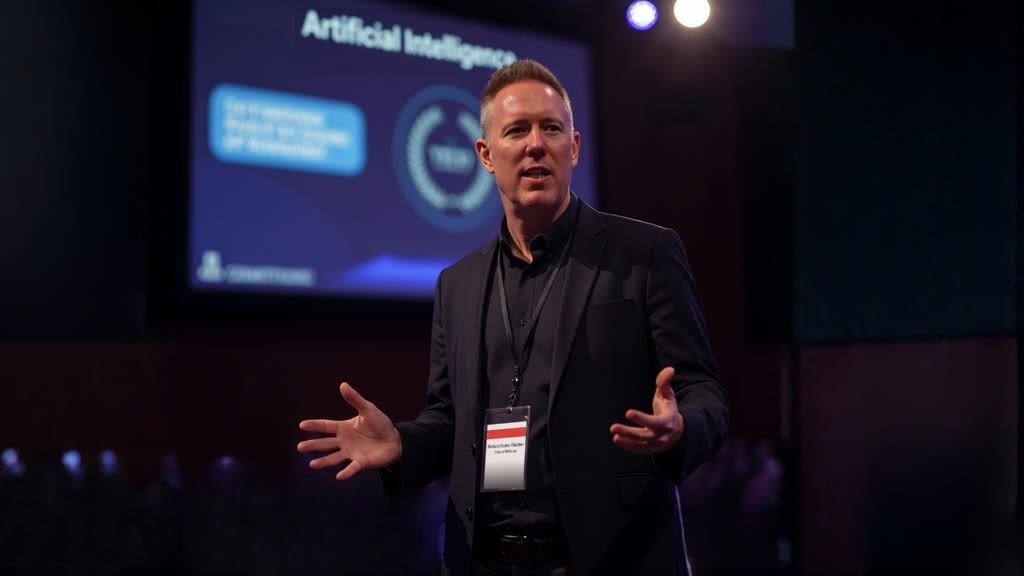
Richard chairs MKAI, the independent research institute he founded in 2019. His research combines controlled experiments on model behaviour with studies of corporate reporting, contracts and governance.
His work examines how AI changes the information people rely on, the alternatives they consider and the judgements they make. He develops these arguments through published research, the What Still Matters essays and the Structural Dynamics of AI Adoption.
The talks connect current AI capability with its consequences for business. They give audiences a clearer understanding of the technology, its limitations and the decisions involved in putting it to use.
Richard examines advances in reasoning, research and agents, explaining the work AI can now undertake and where current models remain unreliable.
Advanced models can test competing explanations and widen the alternatives considered in a difficult business decision.
AI summaries, advice and first drafts can shape the information an organisation relies on, with consequences for expertise and responsibility.
Previous speaking includes Salesforce, Oracle, Arm and the London School of Economics.
Richard compares claims about AI with documented decisions, reported results and observed model behaviour.
The published studies set out their methods and distinguish findings from the interpretations they support.
Visit the MKAI research archive →Adoption Without Capability Reporting found that the corporate reporting examined described deployment and control far more often than measured contributions from AI reasoning or synthesis.
View the published record →In Richard’s controlled tests, broad governance instructions reduced clear recommendations. Narrower instructions preserved clear recommendations while continuing to refuse prohibited actions.
View the published record →Richard’s work on Residual Logic examines how a model’s initial framing can survive later human revision, even after its wording has been replaced.
Read the Structural Dynamic →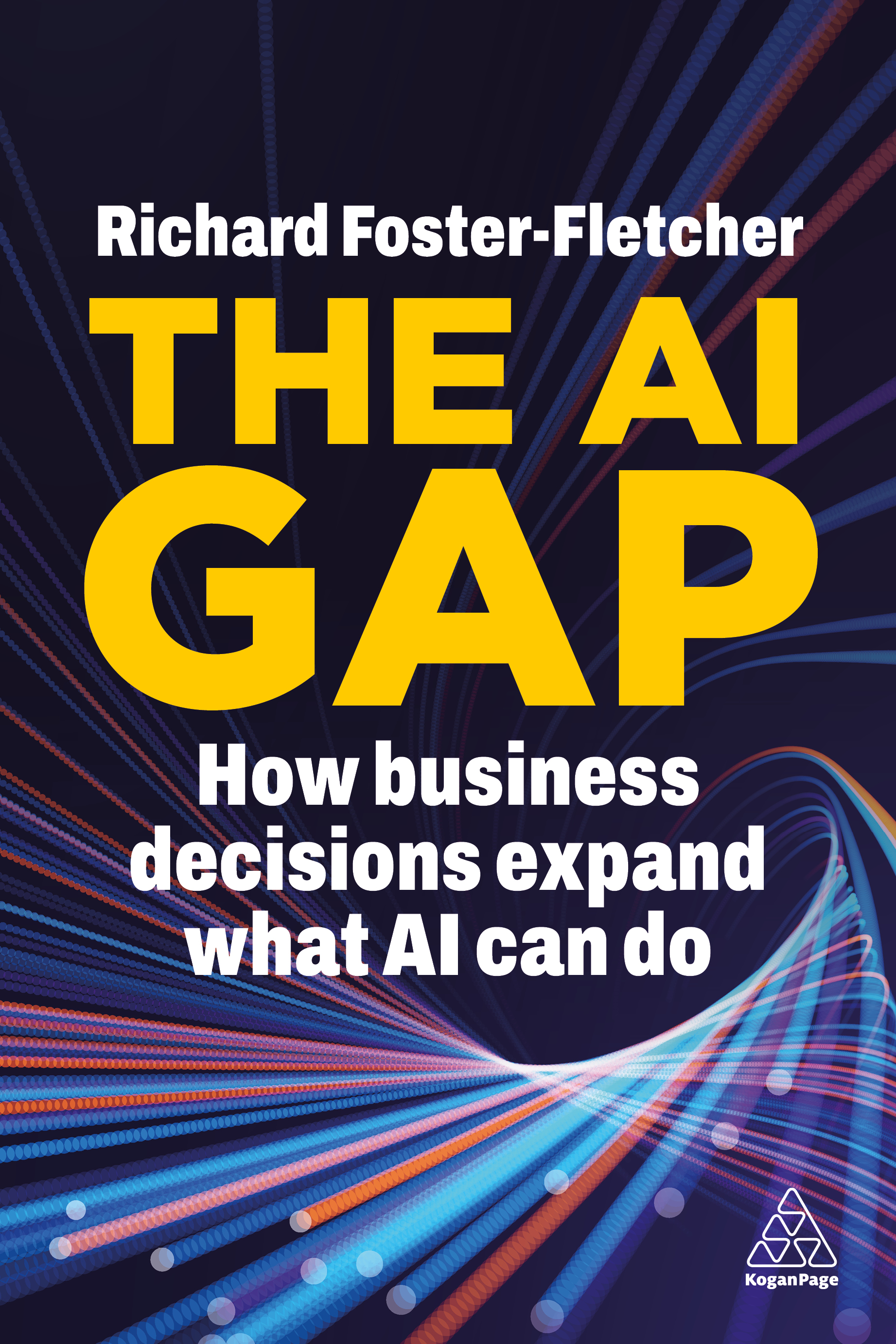
Organisations were offered AI as intelligence and deployed it as software.
The AI Gap examines whether deployed AI can meet the financial and strategic commitments made for it, and what organisations may be excluding through the uses they permit. It follows the consequences for senior judgement and responsibility.
Richard’s keynotes and senior briefings examine what AI can do and how it changes business.
↗The published studies examine model behaviour, corporate reporting and the decisions that shape AI use.
↗What Still Matters follows AI’s effects on professional judgement, business and the changing character of work.
↗The eight Structural Dynamics describe ways AI may change judgement, organisational knowledge and responsibility.
Richard speaks at conferences, board sessions and private senior briefings. Enquiries can cover the audience, the occasion and the questions the event needs to address.
Enquire about speaking