Speaking
Richard Foster-Fletcher is the author of The AI Gap and one of the UK’s leading independent researchers on how advanced AI changes organisations.
In his keynotes and closed-door briefings, Richard gives senior audiences an evidence-led account of what the leading AI systems can now do, what survives enterprise deployment and whether the resulting systems can meet the commitments made in reliance on them.
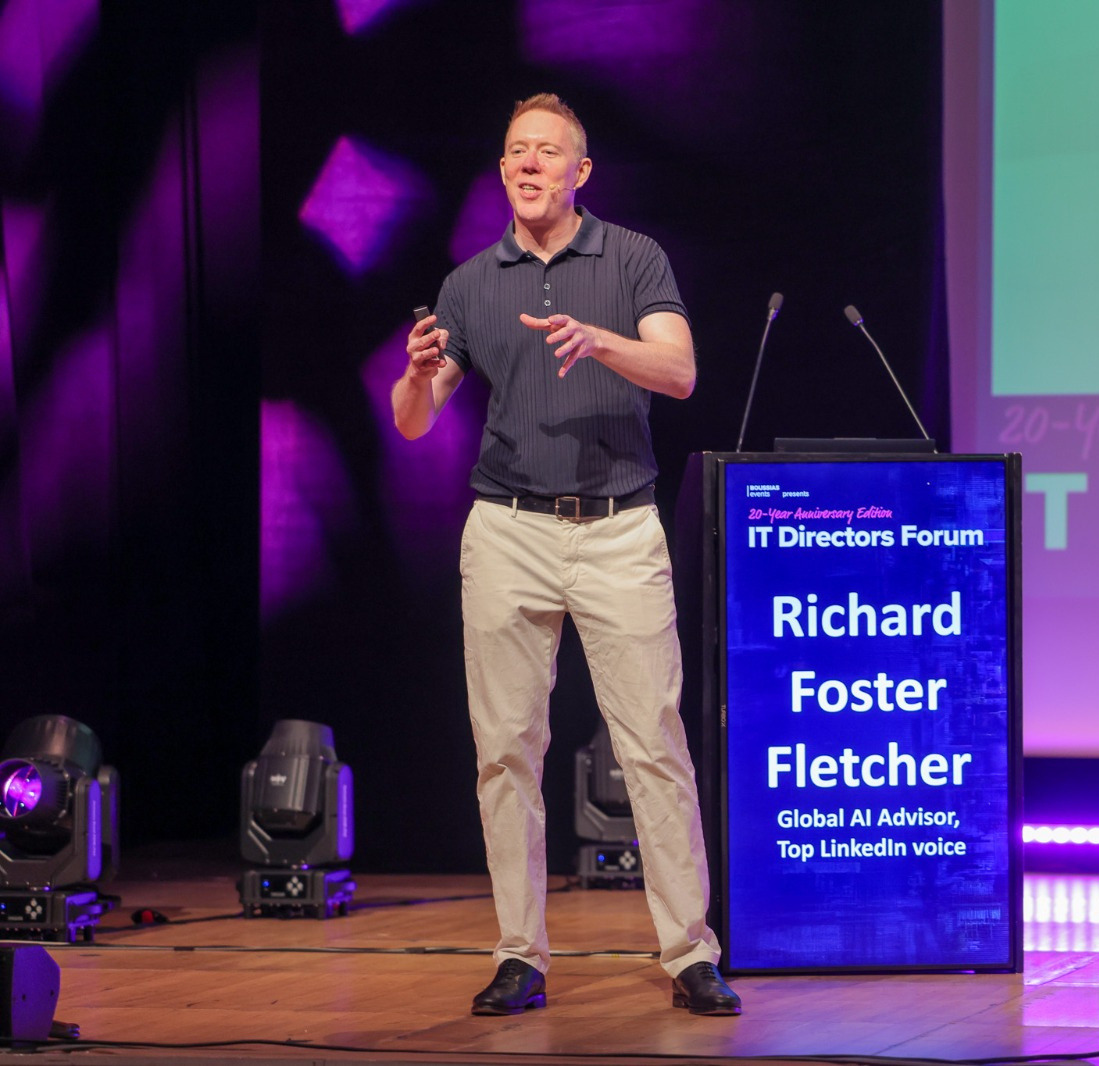
Direct research into AI capability and organisations
Richard tests the latest AI systems at the limits of their reasoning, research, analysis and judgement. He works across models from leading AI labs and is regularly invited to evaluate new releases.
His research examines what these advances add to organisational capability, what is lost when systems are selected and constrained for enterprise use, and how AI changes what organisations can understand, decide and accomplish.
Richard chairs MKAI, the independent research institute he founded in 2019. Through MKAI, he publishes empirical research on AI capability, organisational judgement and the effects of deployment.
His speaking work is grounded in direct model testing, published evidence and sustained research into what happens when advanced AI enters organisations.
Speaker reel
A short selection from Richard’s conference and company speaking.
The State of AI
What the leading models can now do
Conference main stages, annual meetings and company events
AI models are becoming more capable at reasoning, research and analysis, and at work that runs across many steps. This keynote explains where the leading models have reached, which developments are a real change rather than repackaging, and where current claims run ahead of the evidence.
It also examines the distance between the strongest models and the AI most organisations are actually running, why that distance exists, and what it costs a company to leave it there.
Senior audiences leave with a clearer view of what the technology can now do and how far their own organisation is from it.
The Gap Between Commitment and Capability
Why the AI a company deploys may no longer do what its commitments assume
For boards, executive committees and P&L holders carrying AI-dependent commitments
Companies have made commitments to the market that depend on a level of capability being available from their AI systems. That capability may exist in the original model, yet fail to survive deployment once governance and security controls are applied. Those controls raise stability by limiting what the model produces. The teams responsible for making AI safe are rarely the same teams making commitments to the market.
This briefing shows how that separation creates a gap between what is required from AI and what it is permitted to do. Richard’s published research finds extensive reporting on adoption and control, with little evidence that companies test whether the system, once deployed and governed, remains capable of the work their commitments assume.
It sets out why the gap opened, which functions and processes produced it, and how to trace where it is showing up. It examines what has not been tested, which assumptions have gone unchallenged and how the gap limits the work produced through the system.
The briefing gives senior leaders a basis for judging whether the system placed into use can still do the work their commitments assume, where the evidence is missing and what closing the gap would require.
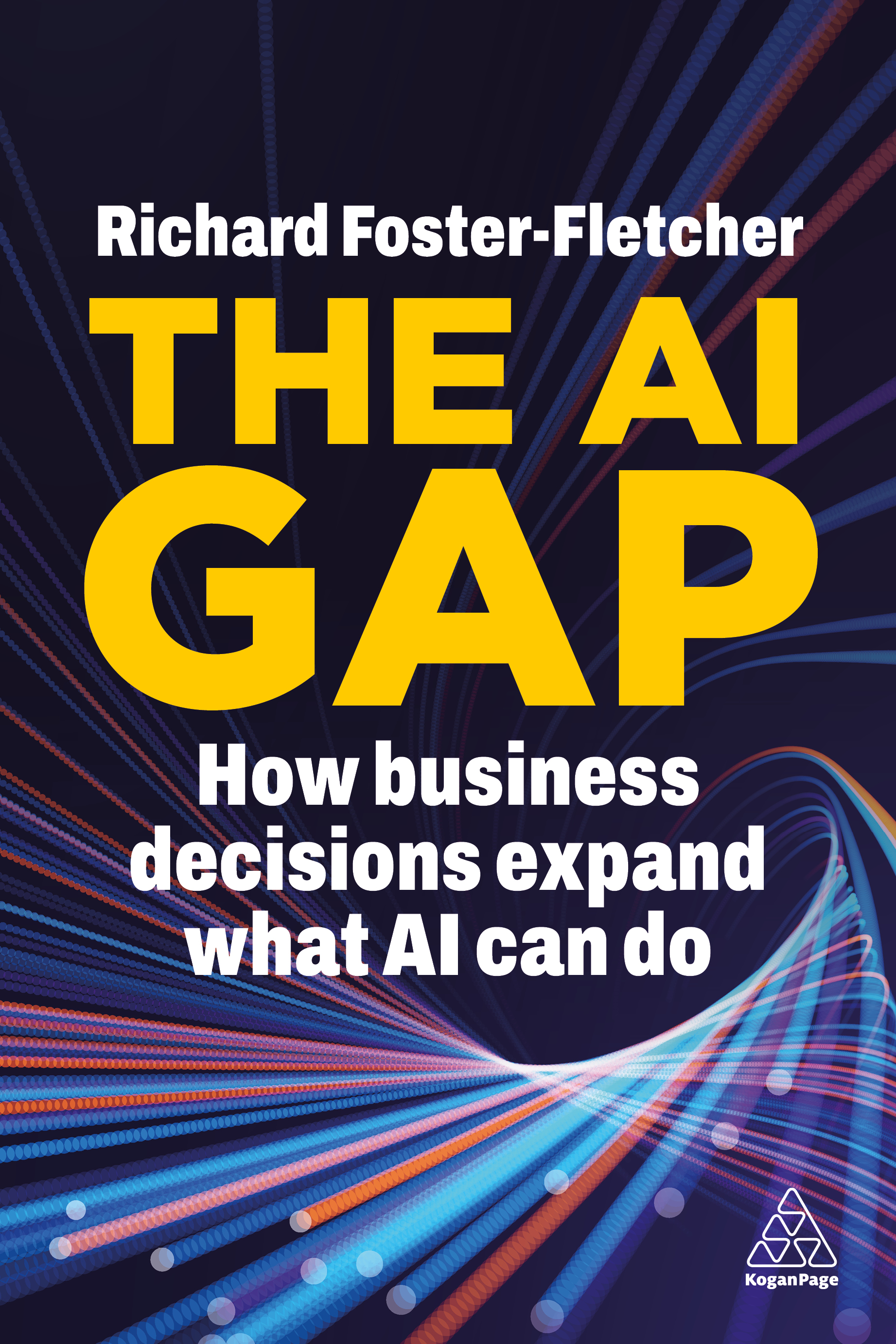
Direct model work and published organisational research
Richard works directly with current frontier models, enterprise AI products and emerging agent systems. He follows changes in capability across releases and examines what happens when those systems pass through procurement, governance and deployment.
Through MKAI, he publishes empirical research on corporate reporting, enterprise systems and the structural effects of AI within large organisations. This work provides the evidence for The AI Gap and for the arguments developed on stage.
Previous speaking and institutional work
Richard has advised UK Parliament and the United Nations on AI strategy and has spoken for organisations and institutions including:
Bring current AI research to a senior audience
Richard delivers conference keynotes and closed-door briefings for organisations examining what advanced AI can now do and what their own systems may no longer reveal.
Contact Richard